Arabic Ramadan Games for Kids
Arabic Ramadan games for kids: make the holy month a season of Arabic learning — letters, stories, counting and crafts through play. Free, no download.
⭐ Featured game: Interactive Stories
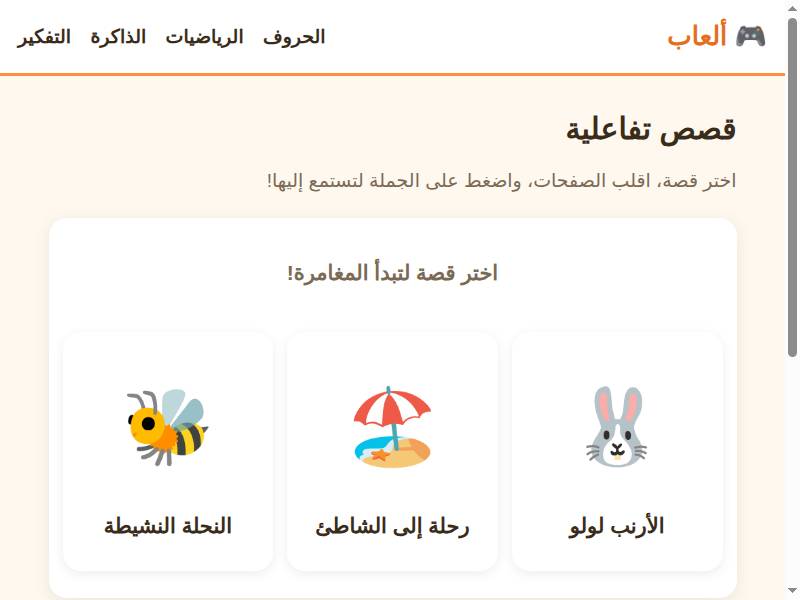
Interactive Stories is the Ramadan centerpiece: read-along tales in Arabic that build vocabulary in context. After iftar, one story together is the perfect wind-down — calm, connected, and quietly educational.
More games to try
Why Ramadan is a learning opportunity
During Ramadan, Arabic surrounds your child more than at any other time of year. The prayers are in Arabic, the family conversations turn to Arabic, the stories are Arabic stories. Motivation is high, routine is structured, and the whole family is oriented toward the same values. It is the ideal season to grow your child’s Arabic — and games are the lowest-friction way to do it.
The key is fitting the month’s rhythm. Short sessions after iftar, calm stories before bed, counting games during the afternoon lull — the games flex to the day, instead of demanding a schedule the month won’t allow.
Stories for the holy month
Ramadan is a storytelling season. Interactive Stories gives you read-along tales in Arabic — the perfect after-iftar activity: one story, together, before bed. The vocabulary arrives in context, inside narratives your child actually follows, which is how words become part of a living language rather than a list.
Pair the stories with conversation: ask your child to retell the story in their own words, in whatever mix of Arabic and English comes naturally. Retelling is one of the most powerful language exercises there is — and it feels like talking, not studying.
Counting and the Ramadan calendar
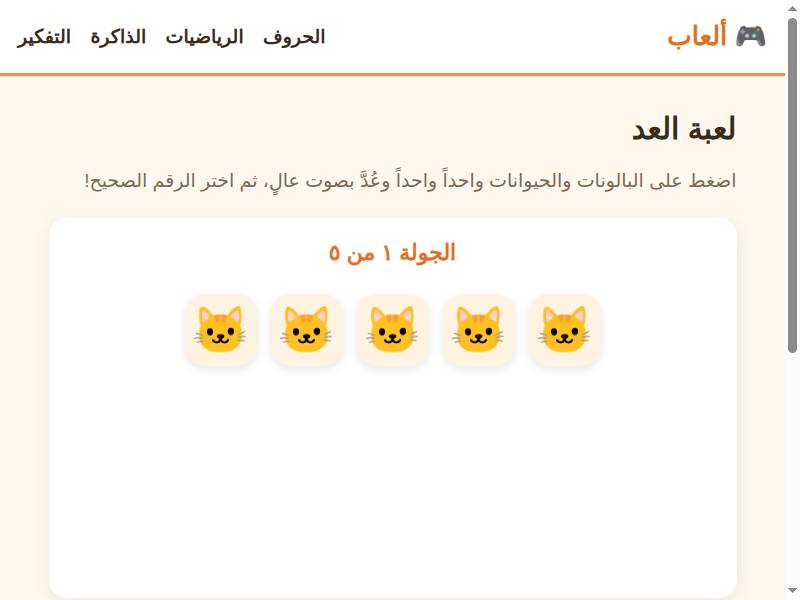
Ramadan gives counting a real purpose. Count the days of fasting together, count the dates on the iftar table, count down to Eid. The Counting game makes that practice playful: tap each item while counting aloud in Arabic, then pick the matching numeral.
For older children, the Clock Game adds a practical layer: telling time in Arabic — when is iftar, when is suhoor — which turns the month’s schedule into a daily language lesson.
Calm play for fasting days
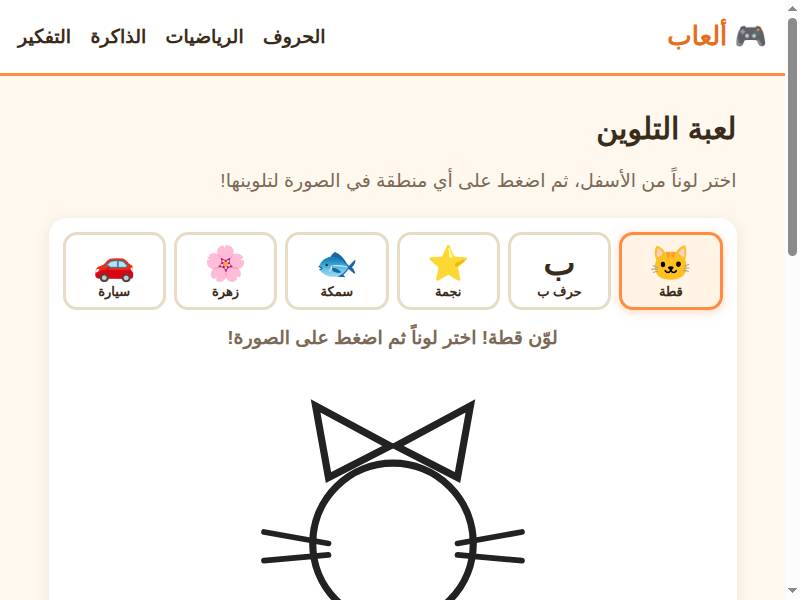
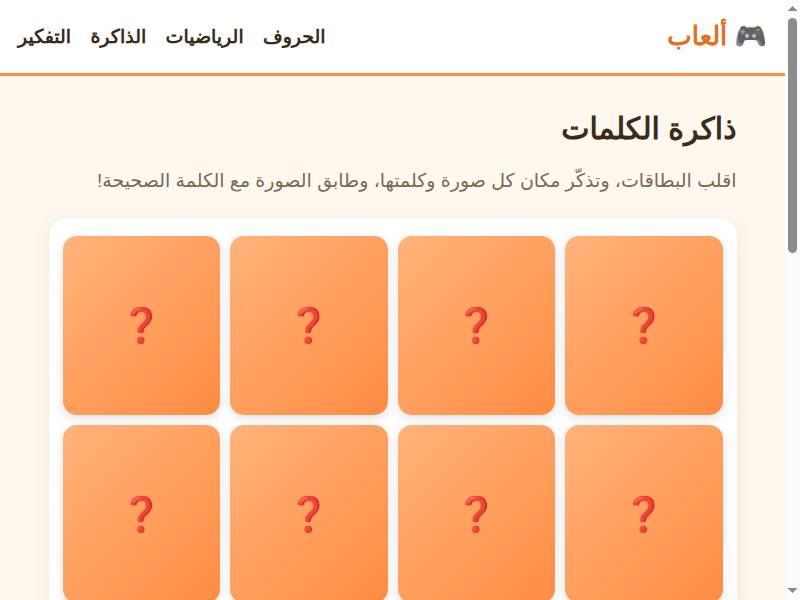
Fasting days are long, and children’s energy dips in the afternoon. That is the moment for calm games: Coloring for creativity, Picture Puzzle for quiet focus, Word Memory for gentle concentration. No timers, no pressure — just absorbing play that keeps Arabic in the day without demanding energy your child doesn’t have.
Keep sessions short and stop while it is still fun. The goal for the month is not intensity; it is a daily thread of Arabic, woven through the season.
Building a Ramadan routine
A simple routine that works: one story after iftar, one short game in the afternoon, and Arabic words woven into the day — counting dates, naming foods, greeting family. Ten minutes of games, one story, and the language of the month becomes the language of your child’s days.
If you miss a day, nothing breaks. The month is long, and the habit is the goal — not the streak. Play the next day, and keep going. Small, forgiving routines are the ones that survive Ramadan — and the ones that continue after it.
When Eid arrives, celebrate the progress: the words learned, the stories read, the letters mastered. Ramadan is a season — and seasons are for growing.
Eid: celebrating progress
When Eid arrives, make the learning visible. Ask your child to show the family what they learned during the month: read a story aloud, count the Eid money in Arabic, name the foods on the table. A small performance for grandparents — in person or on video — turns a month of quiet practice into a moment of pride.
Celebrate effort, not perfection. The child who played ten minutes a day all month has built something real: a habit, a vocabulary, a relationship with the language. Name it: ‘You read stories in Arabic this Ramadan.’ Children remember what adults name and celebrate.
And keep the thread going after Eid. The month ends, but the habit doesn’t have to. Ten minutes a day, all year, is how a Ramadan of growth becomes a lifetime of Arabic.
FAQ
Q: Are these games specifically about Ramadan?
A: They’re Arabic learning games chosen to fit the month’s rhythm — stories, counting, calm play — rather than games about Ramadan rituals. The Ramadan connection is the season: the motivation, the routine, and the language-rich environment.
Q: My child is fasting and tired in the afternoon. Should we still play?
A: Keep it light: calm games like Coloring or Picture Puzzle, short sessions, no pressure. If your child is genuinely exhausted, skip the day — consistency over the month matters more than any single session.
Q: How can we use the games to teach Ramadan vocabulary?
A: Pair game words with real life: count the dates in Arabic at iftar, name the foods, read a story together. The games build the words; the month gives them meaning.
Q: What about screen time during Ramadan?
A: Ten minutes of active Arabic play is a different category from passive video. Keep sessions short, keep them social where possible, and let the month’s rhythm — prayer, family, rest — set the boundaries.
🎮 Free to play, no download needed
Play Interactive Stories now — free